
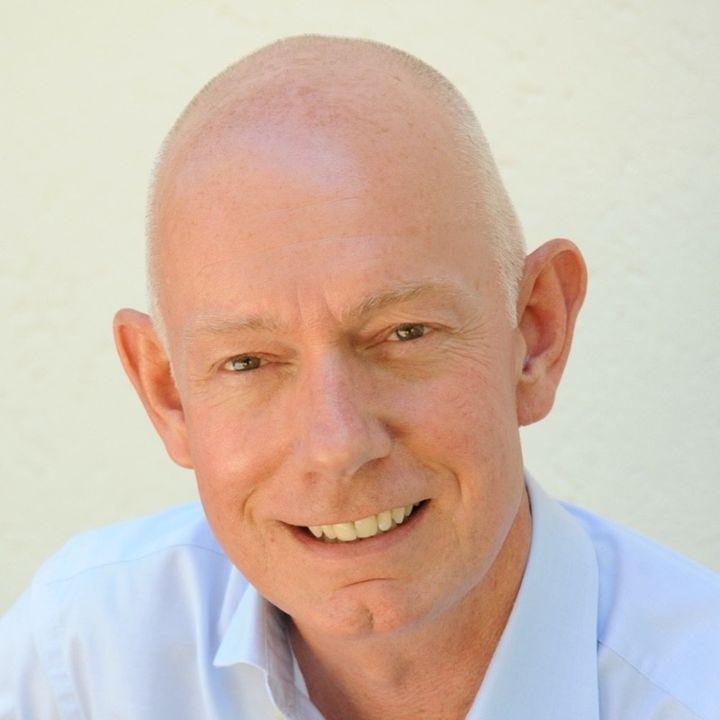
On Rare Disease Day 2021, our Chief Medical Officer, Nick Warwick, shares his thoughts on what this means to him and of the importance of not overlooking patient needs.
The past year has been a time for true reflection and readjustment for many of us. At ADVANZ PHARMA, we have made a shift in our strategic compass to focus more on enriching our portfolio with complex medicines for difficult-to-treat, niche and highly specialised medical conditions. This is a fascinating and extremely rewarding area to work in, but it is also very easy to get lost in the complexity of it all.
As such, Rare Disease Day serves as an important reminder to me of the need to appreciate the multi-dimensional influences on patient care and to recognise the significance of collaborating effectively to improve research and outcomes for people living with rare diseases around the world. The very nature of rare disease means there can be significant challenges when it comes to diagnosis, the development of treatments and access to care, which all highlight the vital need for cross-industry collaboration in facilitating progress in the space. Now, more than ever, it is essential that we stay connected with each other and with society so that we can continue to take strides towards meeting unmet medical needs.
With my new team in the recently formed Medical Office, we are on a rapid learning curve to better understand the needs of patients with rare diseases as we look to enhance our portfolio of complex medicines. Part of this is to constantly challenge ourselves to take a more critical look at how the approaches we have tried in the past can be learnt from and built upon.
One of the fundamentals we have needed to remind ourselves of is to listen to patients, healthcare professionals and other representative organisations first before assuming we know what unmet medical needs exist; this is an absolutely critical step on a development pathway to get right, and is especially important with Rare Diseases. By listening to those who really know, we can see if our current portfolio of medicines can meet identified unmet needs, either in their current form, or in a modified, reformulated or repurposed way. If not, we have a tremendous network of global partners across multiple disciplines that we can work with to find the right solution.
In particular, the pandemic has affected all aspects of life, especially for those living with rare disease or indeed those whose conditions have gone undiagnosed due to reduced access to routine healthcare. Requirements to isolate and socially distance, a reluctance to ‘bother’ healthcare providers with what may be considered as non-urgent medical problems, and in others, a fear of contracting the virus, have all played their part in distancing patients from their usual healthcare providers during the pandemic.
An additional area of concern is that routine medical enquiries, preventative measures or coincidental interactions with healthcare specialists may reveal serious underlying health problems. It is not unusual, for example, for symptoms such as headaches, visual defects, nerve compression or menstrual dysfunction to be cardinal presenting symptoms of a more serious underlying disease. These are often ‘coincidentally’ picked up as part of face-to- face consultations, so it is important that these opportunities are not lost as remote technology is being increasingly used for patient consultations.
Events like Rare Disease Day can serve as a vehicle through which healthcare professionals are reminded of these ‘coincidental’ instances of symptom identification, can highlight the importance of prompting during such interactions, and also remind us all that approaches to patients may need to be adapted in the post COVID-19 world.
On a personal level, I find events like Rare Disease Day a humbling reminder of the many challenges that people face, but it also inspires me to see the importance of the work that we do within the pharmaceutical industry and how, by working together, we can make a real difference.


